
Mold Remediation & Testing — South Florida
South Florida mold isn't just a post-flood problem — it's a year-round one. Year-round 70–90% humidity, AC condensation issues, hidden roof leaks, and slow plumbing drips add up to mold colonies you can smell before you can see. We test, identify, contain, remove, and address the source, following EPA and IICRC S520 protocols, with clearance testing on the back end so your file shows the job was done right.
What Drives Florida Mold
- ›Year-round high humidity (not just post-flood)
- ›AC system condensation issues — dirty drain lines, oversized units short-cycling, leaking coils
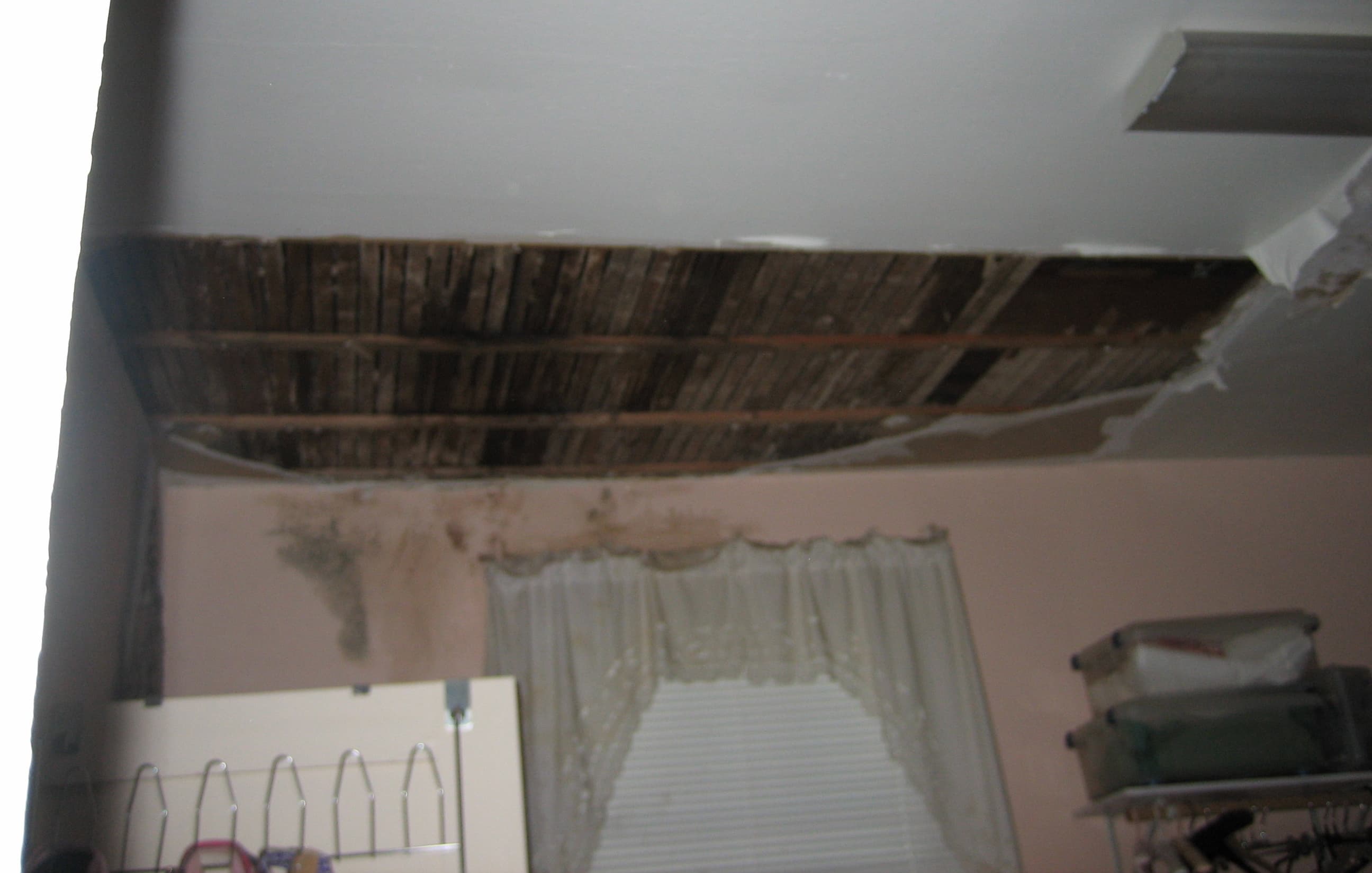
- ›Hidden mold behind drywall after slow leaks in coastal homes (especially around windows and door thresholds)
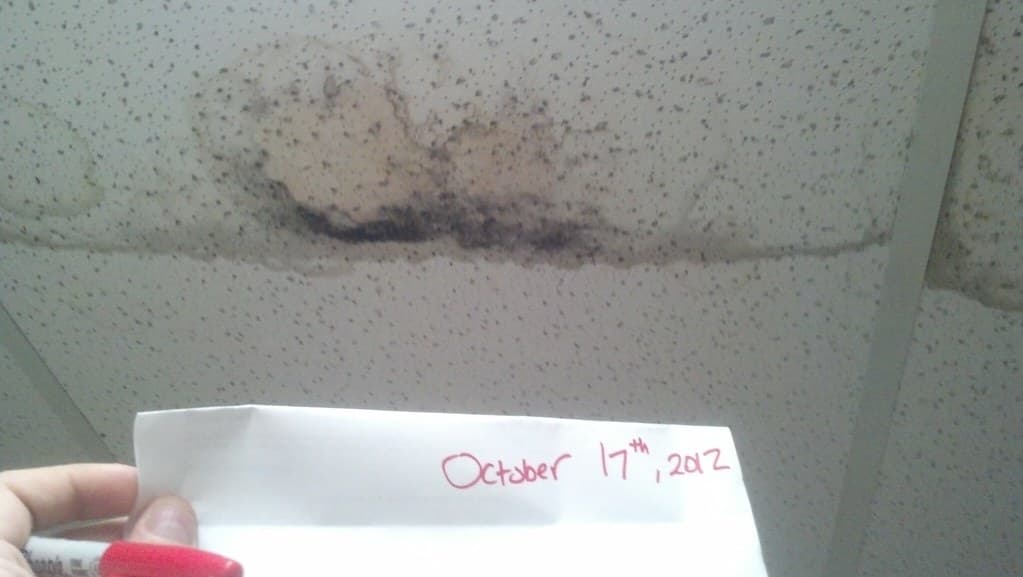
- ›Roof leaks not visible from inside until staining shows on ceilings
- ›Crawlspaces and slab-on-grade moisture intrusion
- ›Bathroom ventilation failures in older condos and townhomes
- ›Unaddressed water damage from prior carriers or DIY drying attempts
Our Mold Remediation Process
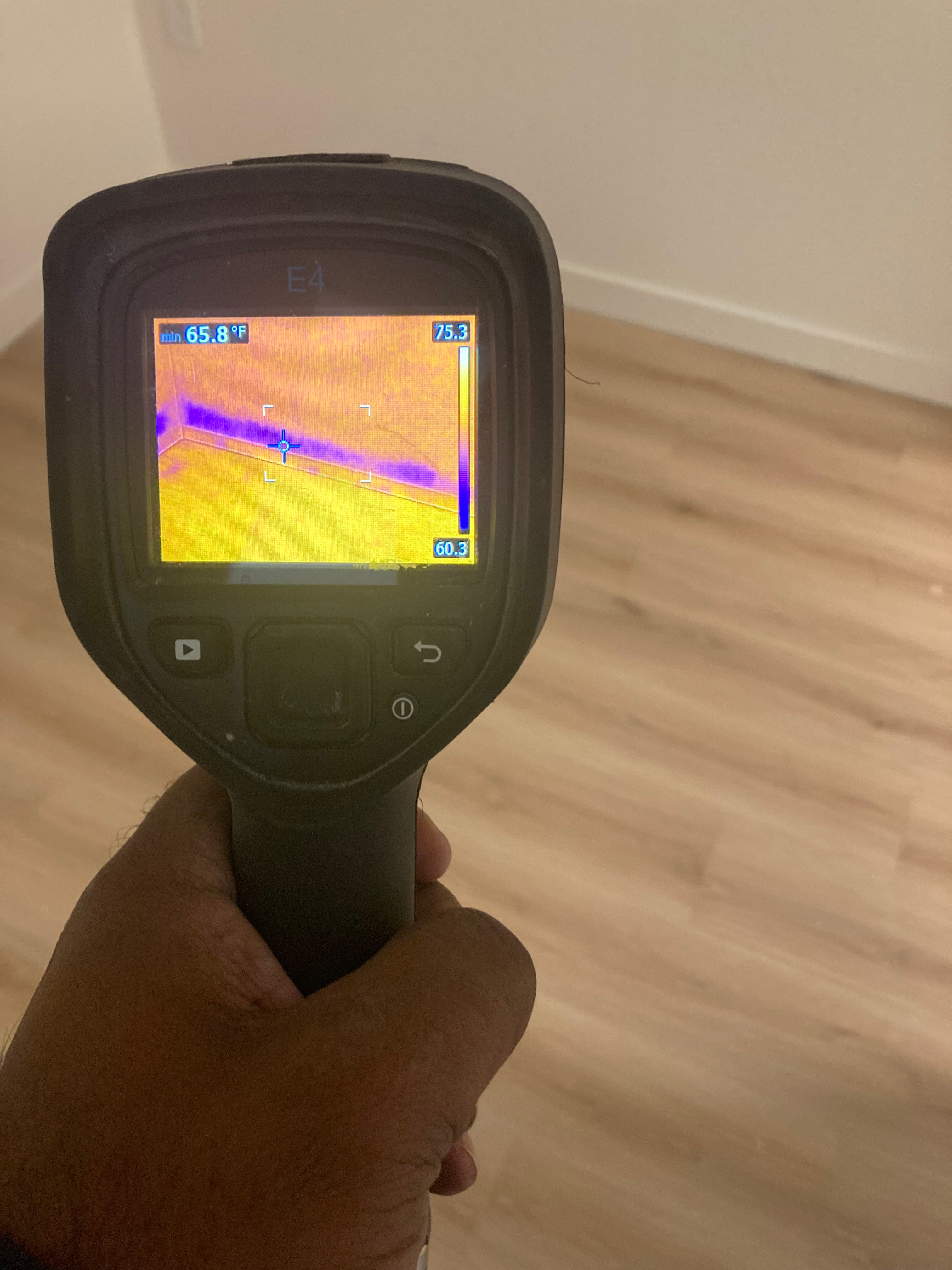
- ›Visual and instrument-based inspection (moisture mapping, infrared, sometimes borescope)
- ›Air quality testing — pre-remediation samples to establish baseline
- ›Engineering controls — containment with poly sheeting, negative air pressure, HEPA filtration
- ›Physical removal of mold-contaminated materials per IICRC S520 condition categories
- ›Antimicrobial treatment of cleaned surfaces and HVAC components if affected
- ›Moisture source correction — repair the leak, fix the AC, address the ventilation
- ›Post-remediation clearance testing by an independent industrial hygienist when required
Why South Florida Mold Is Different
Florida humidity is the single biggest driver of indoor mold and it doesn't take a flood to start a problem. A bathroom exhaust fan that doesn't quite vent to the exterior, a slightly oversized AC unit short-cycling so it never dehumidifies, an attic that builds heat and condenses moisture against the underside of the roof deck — any one of those is enough to feed a colony year-round. We see this in newer construction as much as older homes; the failure mode just looks different.
Coastal salt-air construction adds its own twist. Older Hollywood, Hallandale Beach, and Miami Beach homes were often built without modern vapor barriers, and slab-on-grade construction can wick ground moisture into bottom plates and lower drywall. In high-rises, we frequently find mold in the cavity behind shower walls, around penetrations for plumbing risers, and inside HVAC closets — areas no homeowner would think to inspect.
The legal side matters too. Florida HOAs and condo associations have tight rules about mold remediation work — air balance, after-hours equipment, certificates of insurance for contractors. Insurance carriers like Citizens Property Insurance handle mold claims very differently than out-of-state carriers; some require remediation under a specific scope cap before they'll engage. We've worked enough of these to know how to position the documentation to get full coverage approved when the science supports it.
Frequently Asked Questions
Do I need mold testing before remediation?
Sometimes. Visible mold and a known moisture source — say, a leak under a sink — can usually skip pre-testing and go straight to remediation. Hidden mold, ambiguous odors, suspected HVAC contamination, or cases where the homeowner is buying or selling the property generally do need testing first to scope the work and document conditions. We'll tell you honestly which side your situation falls on.
Is black mold always dangerous?
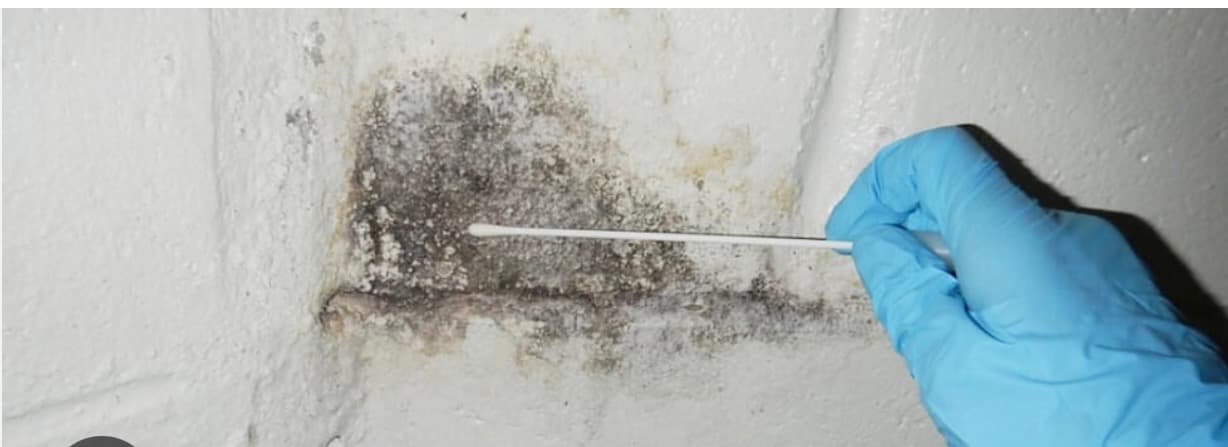
'Black mold' is a popular shorthand, but a lot of dark-colored fungi look similar visually and behave very differently. Stachybotrys chartarum (the species most people mean when they say 'black mold') is a concern, but it's not the only species worth removing. The real question isn't color — it's spore concentration, the species, and whether there's an actively wet substrate feeding it. We test, we don't guess.
Will my HOA cover mold remediation?
Florida condo and HOA mold coverage is highly building-specific. Common-element mold (riser leaks, building envelope failures) is usually association responsibility; in-unit mold from in-unit causes (a leaking dishwasher, for example) is usually the unit owner's. The split is governed by your declaration documents and by the Florida Condo Act. We document the source so the claim lands with the right party from the start.
Can I just spray bleach on mold and be done with it?
On a hard, sealed surface like tile, bleach can kill surface mold. On any porous material — drywall, wood, fabric — bleach kills what's on top while leaving viable spores in the substrate, and bleach plus humidity actually feeds future regrowth. IICRC S520 doesn't recognize spraying bleach as remediation for a reason. The right answer is removing or properly treating the affected material and fixing the moisture source feeding it.
Serving South Florida from Boca Raton through Fort Lauderdale to Miami and Homestead — including Boca Raton, Deerfield Beach, Pompano Beach, Fort Lauderdale, Hollywood, Hallandale Beach, and surrounding communities.
See full Service Areas →Need Help Now?
24/7 emergency response across South Florida.
Call (754) 777-8956Request Help